

Products and Solutions

Computer Aided Design

Computer Aided Design

Computer Aided Design

Computer Aided Design

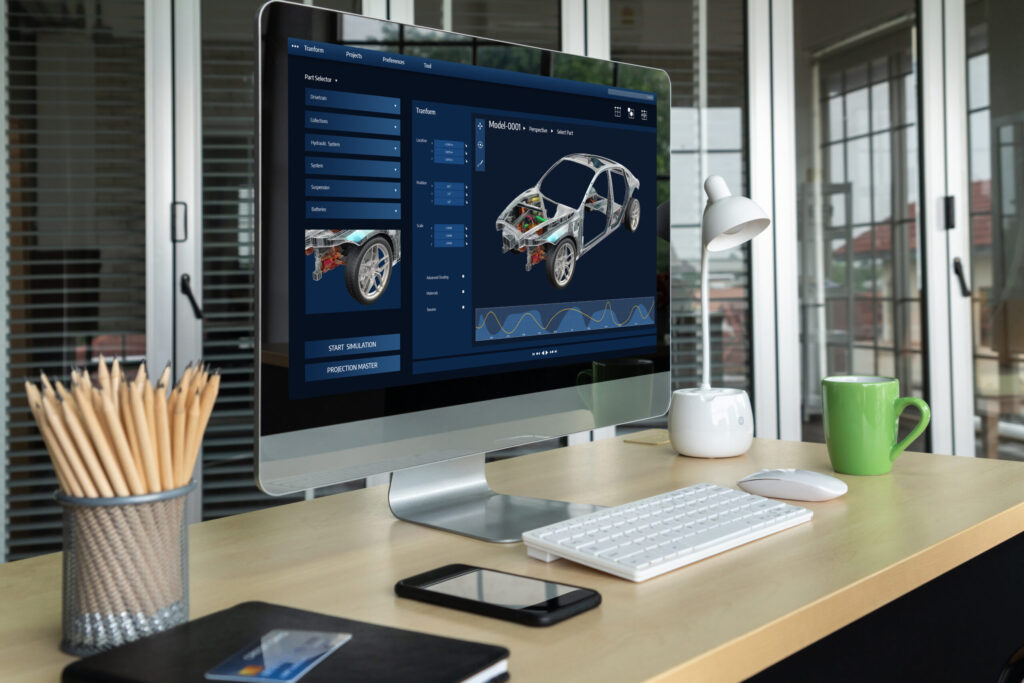
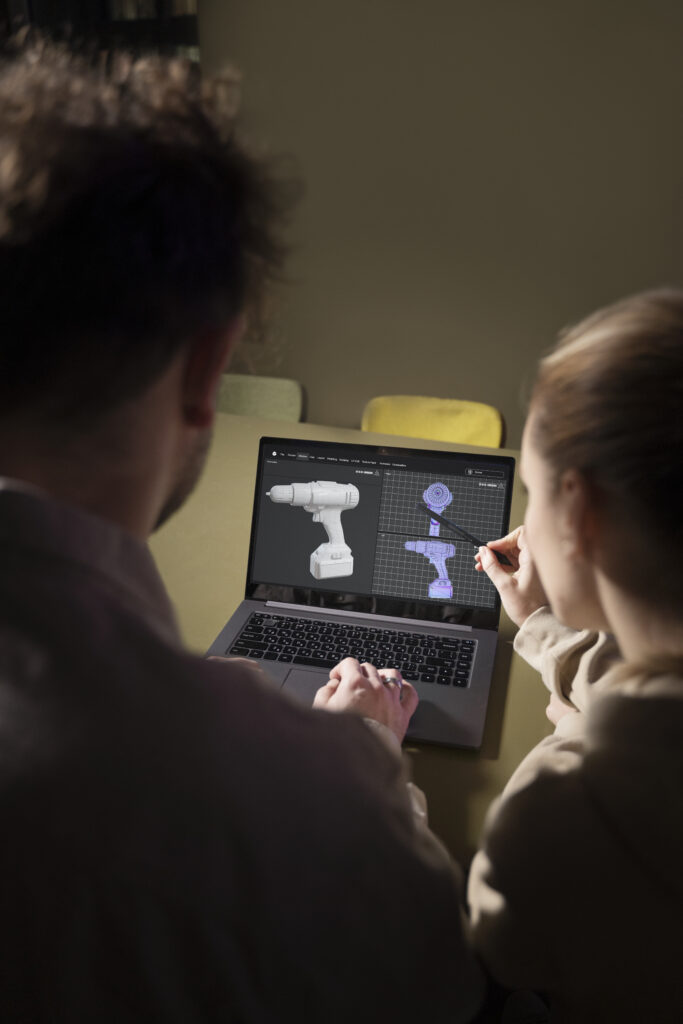
Computer-aided design is a way to digitally create 2D drawings and 3D models of real-world products—before they’re ever manufactured. With 3D CAD, you can share, review, simulate, and modify designs easily, opening doors to innovative and competitive products that get to market fast.

What is Creo?

Creo by PTC is a powerful parametric 3D CAD system designed to help product design and manufacturing teams deliver their best work—faster and more efficiently. In today’s competitive landscape, teams are expected to innovate without compromising quality or cost-effectiveness. Creo rises to the challenge with the most scalable range of 3D CAD product development packages and tools available.

Manufacturers rely on Creo for its fully integrated capabilities across design, simulation, and manufacturing. From concept to digital prototype, Creo enables intuitive, precise, and efficient product development with model-based design, real-time simulation, generative design, and streamlined workflows for composites, additive, and subtractive manufacturing. Its easy-to-use core modeling tools improve productivity daily, and its fully associative nature ensures that changes are automatically propagated across the value chain.

Whether you choose Creo’s on-premises solution or Creo+ for cloud-enabled collaboration and SaaS-based license management, you’ll benefit from a cutting-edge CAD platform that’s been driving innovation for decades.

Computer Aided Design

PTC's Creo recognized as leader, top innovator and top implementor by ABI

PTC stands out among its competitors in the MCAD SaaS space for large enterprises and industrial-scale manufacturing, particularly in innovation and implementation. Here’s a breakdown of how PTC compares:
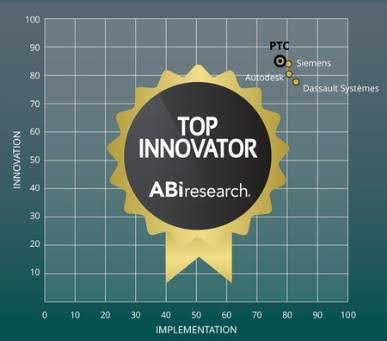
  • Innovation: PTC leads with a score of 85.0, outperforming Siemens, Autodesk, and Dassault Systèmes. Its edge comes from deep CAx integration, real-time simulation (via Ansys), generative design (Frustum), and AR/VR (Vuforia).
  • Implementation: With a score of 77.7, PTC ranks fourth but remains a top implementer. It offers intuitive tools, strong customer support, and smooth onboarding—especially for users migrating from other platforms.
  • Cloud Leadership: Creo+ sets PTC apart with real-time collaboration, cloud-based simulation, and seamless transition from on-premises Creo.
  • Overall: PTC’s 81.4 overall score places it firmly in the Leader category, with standout performance in both innovation and usability.

Features

What Creo Can Do For You

PTC’s Creo is a powerful suite of CAD, CAM, and CAE tools that supports the entire product development lifecycle. With breakthrough capabilities in Additive Manufacturing, IoT, Model-Based Definition (MBD), and Augmented Reality (AR), Creo empowers users to design faster and smarter by seamlessly connecting digital designs to physical products—transforming the way innovation happens.

01

Design Capabilities

  • Parametric Modeling: Create intelligent 3D models that automatically update when changes are made, ensuring consistency across the design.
  • Flexible Modeling: Make quick edits to geometry without needing to rebuild the model from scratch.
  • Surface & Sheet Metal Design: Ideal for complex surfaces and industrial sheet metal components.
  • Multibody Design: Manage multiple solid bodies within a single part file for advanced design workflows.
  • Design Exploration: Try out multiple design variations without duplicating models, enhancing creativity and iteration speed.

02

Simulation and Analysis

  • Real-Time Simulation: Analyze stress, strain, and thermal effects directly within the design environment using Creo Simulation Live.
  • Fatigue & Human Factors Analysis: Evaluate product durability and ergonomics.
  • Integration with Ansys: Advanced simulation capabilities for structural, thermal, and fluid dynamics analysis.

03

Manufacturing & Tooling

  • NC Machining & Additive Manufacturing: Generate toolpaths and prepare models for 3D printing or CNC machining.
  • Tool Design: Create molds, dies, and castings efficiently.
  • Composites & Progressive Die Design: Specialized tools for advanced manufacturing needs.

04

Electromechanical Design

  • Piping, Cabling, and Harness Design: Integrate electrical systems with mechanical components.
  • Clearance & Creepage Analysis: Ensure electrical safety and compliance.

05

Model-Based Definition (MBD)

  • Embed all product and manufacturing information (PMI) directly into the 3D model, streamlining communication and reducing errors.

06

Collaboration & Data Exchange

  • Unite Technology: Work seamlessly with data from other CAD systems.
  • Legacy Data Migration & Import Tools: Bring in older designs and clean up imported geometry.
  • Cloud Collaboration: Share designs and collaborate in real-time with Creo+.

07

Lifecycle & Performance Tools

  • Engineering Notebook & Product Insights: Track design decisions and performance metrics.
  • Performance Advisor: Monitor system health and optimize usage.
  • PTC University: Access training and resources to upskill teams.

Computer Aided Design

PTC Mathcad Prime

TC Mathcad Prime is a powerful engineering mathematics software designed to streamline the process of solving, analyzing, documenting, and sharing technical calculations. It offers an intuitive interface that mimics textbook-style math notation, making it accessible for both novice and experienced engineers. The software supports unit-aware calculations, symbolic and numeric solving, and advanced plotting capabilities, ensuring precision and clarity in engineering workflows. 

Mathcad Prime enhances productivity by enabling reusable templates, integrating seamlessly with tools like Creo, Windchill, and Excel, and supporting object linking and embedding (OLE) for dynamic documentation. Its features include optimization solvers, programming constructs, control structures, and rich formatting options that allow users to communicate design intent effectively. With its comprehensive unit system and visual tools, Mathcad Prime serves as a digital engineering notebook that bridges the gap between design and analysis. 

Computer Aided Design

Solid Edge - PLM Connect

Datafrond has developed a Solid Edge – PLM Connect for Siemens Solid Edge 2025 that provides integration between Windchill PLM and the Solid Edge MCAD application, allowing seamless management of CAD data within the Windchill database.

Key Functions:

  • CAD Data Management: Enables storage, retrieval, and version control of CAD files within Windchill.
  • Workspace for Design: Provides a managed area where users can develop designs before checking them into Windchill.
  • Embedded Browser & PDM Commands: Allows users to interact with Windchill directly from their CAD environment, supporting actions like Check-In and Check-Out.
  • Collaboration & Synchronization: Ensures design changes are visible to other users, facilitating teamwork and efficient product development.

This integration streamlines MCAD data handling, improving workflow efficiency and collaboration within product lifecycle management.

Computer Aided Design

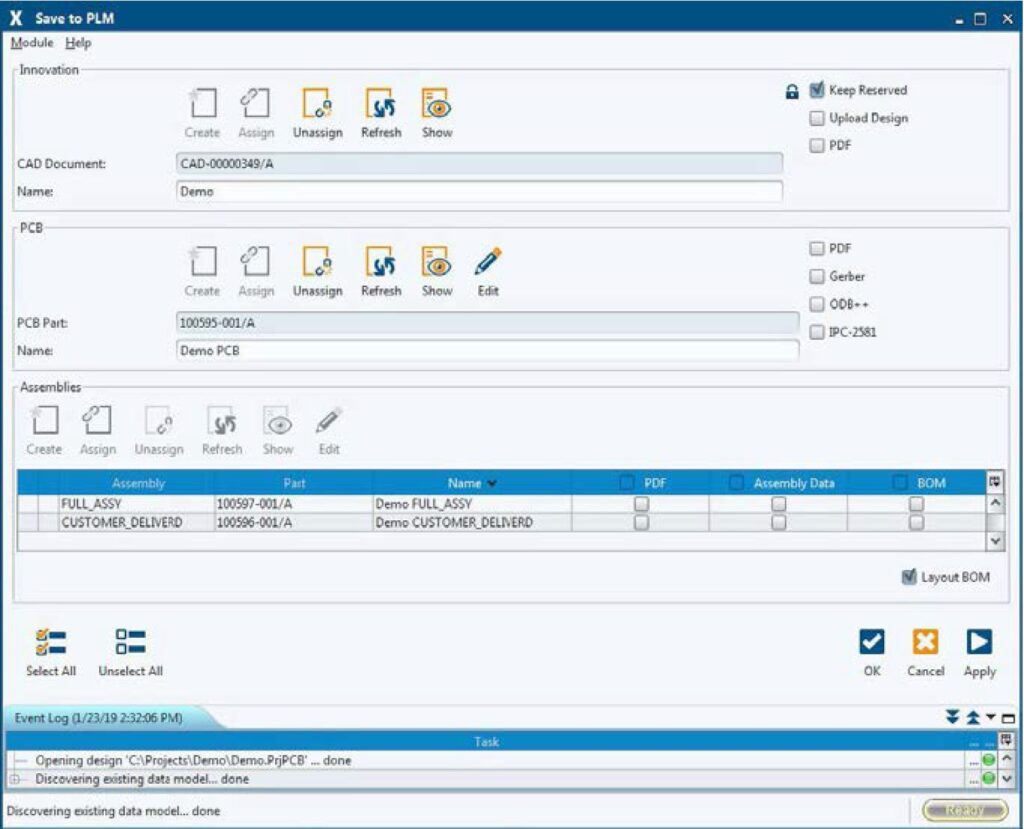
Integrate the ECAD Design Process with PLM

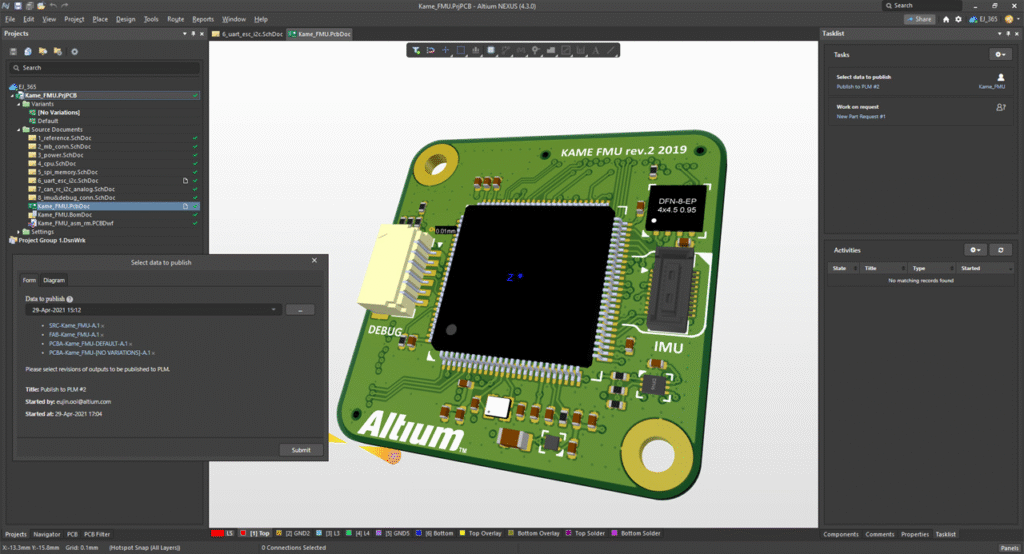
Many companies struggle to integrate electronics design (ECAD) with their broader business systems, especially their Windchill PLM platform. Engineers often deal with manual, time-consuming processes to upload ECAD data, leading to delays, disconnected information, and inefficiencies in collaboration.

The Solution: Automated ECAD-to-PLM Integration

By connecting ECAD directly to Windchill PLM, engineers can:

  • Seamlessly transfer design and production data with a single action.
  • Improve data accuracy and consistency, reducing errors and costs.
  • Enhance collaboration by making timely and reliable information accessible to all stakeholders.

This integration streamlines workflows, eliminates manual uploads, and ensures efficient product development.

Computer Aided Design

Altium On-Prem Enterprise Server Windchill Integration

Altium’s Enterprise Server Integration connects the ECAD design process with PTC Windchill® and Arena® PLM to streamline design and component management.

What It Does:

  • Sync Components: Keep parts and data up-to-date between Altium and PLM.
  • Automate Design Projects: Generate PLM part numbers and publish designs smoothly.
  • Easy Setup: Use a built-in interface to configure connections and control data flow.

This integration helps keep your design and manufacturing processes organized and efficient. 

Computer Aided Design

Connecting Altium Designer Standard to PTC Windchill

Developed by XPLM, integrate2 links Altium Designer Standard with PTC Windchill, enabling seamless collaboration across design teams. It unifies mechanical, electrical, software, and electronic design data on a single platform, making product development more efficient and reliable.

Key Benefits:

  • Smooth ECAD Management: Organizes and synchronizes design data within Windchill without leaving Altium Designer.
  • Cross-Team Collaboration: Connects different engineering disciplines in one system.
  • Automated Processes: Supports version management, Bill of Materials generation, design releases, and documentation handling in PLM.
  • Flexible Library Syncing: Allows bidirectional or batch mode synchronization for component libraries.
  • Integrated PLM Functions: Links data to materials, documents, and change management workflows.

Additionally, integrate2 supports integrations for other ECAD tools like Cadence, Siemens, Pulsonix, Zuken, and AutoCAD Electrical.
Contact a CAD Expert

Get the latest news, product updates, and unique perspectives delivered straight to your inbox. Join our growing community of savvy business leaders and professionals.